
"The Leg Pain Clinic is amazing!! I walked out with less pain than I walked in with! Dr. Anwar is amazing and I love his bedside manner!! I didn't want another knee replacement surgery and now I don't have to get one!!"
Uterine Fibroids (UFE)
Non-surgical fibroid treatment that preserves your uterus. Outpatient procedure with same-day recovery.
Treatable without surgery
Understanding your condition
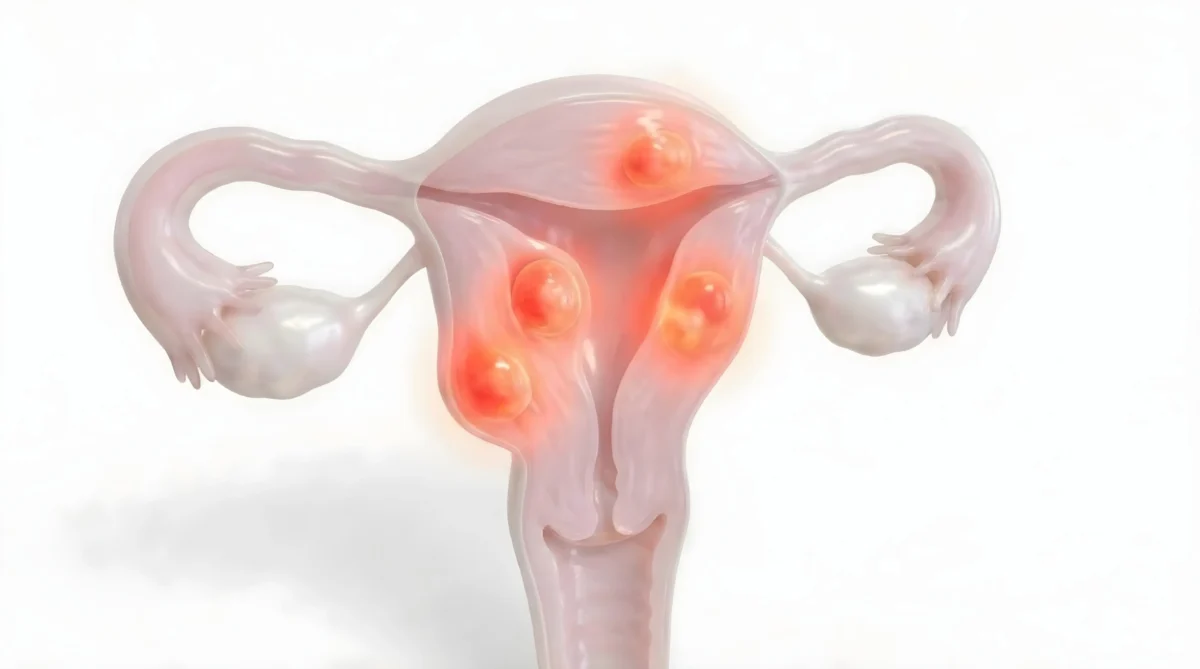
Uterine Fibroids (UFE) explained
Uterine fibroids are non-cancerous growths in the uterus that affect up to 80 percent of women in Houston and across the US, often causing heavy periods, pelvic pressure, and significant pain. Many women are told that hysterectomy is their only option, but Dr. Anwer, a Stanford Fellowship trained interventional radiologist, offers Uterine Fibroid Embolization (UFE), a proven non-surgical alternative. UFE works by cutting off the blood supply to the fibroids, causing them to shrink naturally while the uterus is fully preserved. Most patients experience a significant reduction in symptoms within their first cycle after treatment.
Most patients return to normal activity within one to two weeks, with no hospital stay required.
Dr. Anwer's approach
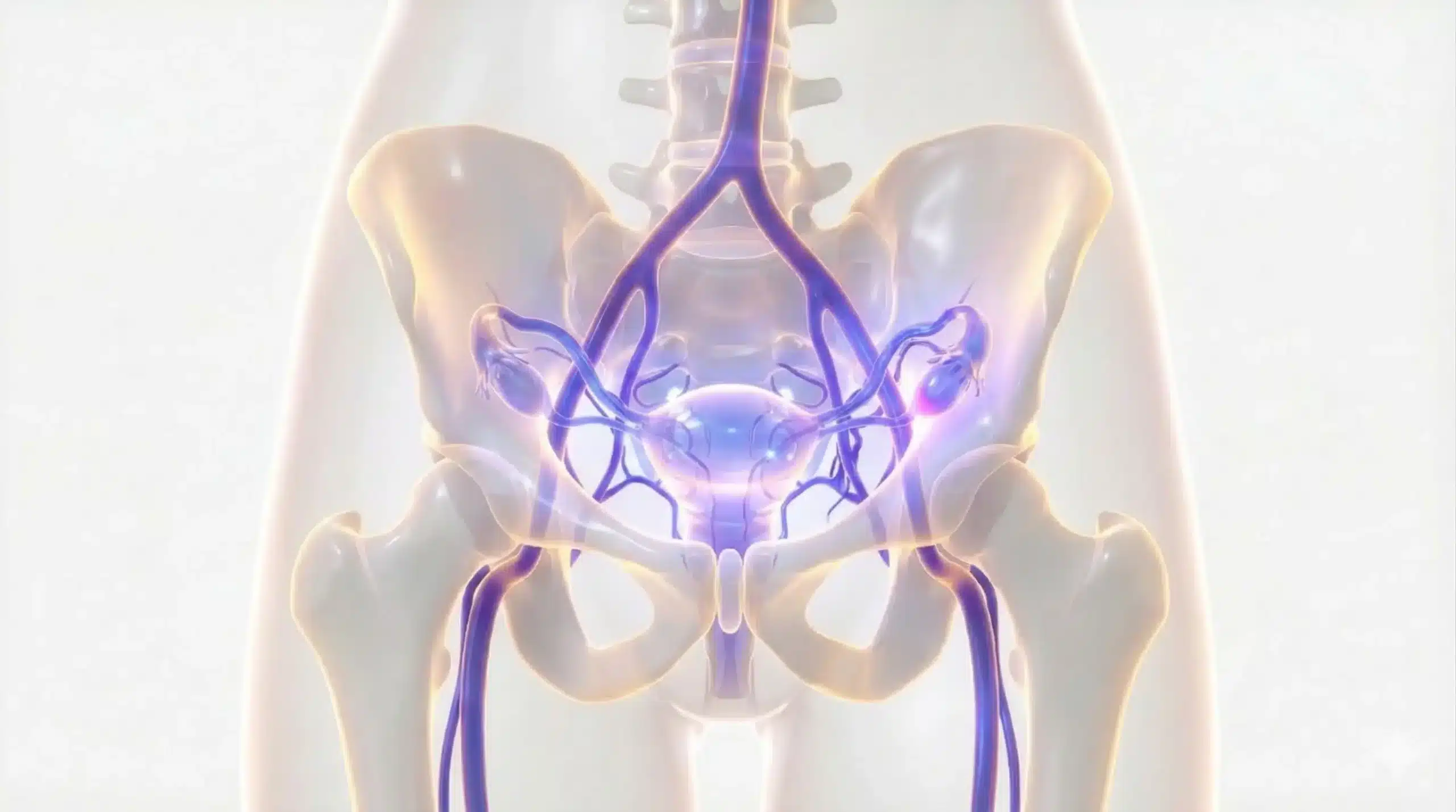
Dr. Anwer performs UFE as an outpatient procedure under light sedation. A thin catheter is guided through a pinhole in the wrist or groin to the uterine arteries, where tiny particles are injected to block blood flow to the fibroids. The procedure takes approximately 60 minutes and you go home the same day.
Treatable without surgery
Key facts
UFE shrinks fibroids by cutting off their blood supply
Your uterus is fully preserved, no hysterectomy
Outpatient procedure performed under light sedation
Significant reduction in heavy bleeding within one cycle
No general anesthesia required for UFE
Recovery of one to two weeks for most patients
Covered by Medicare and most major insurance plans
Treatment overview
Is this the right treatment for you?
Every patient is different. These four areas will help you understand whether Uterine Fibroids (UFE) treatment at LPVI is the right fit.
Who qualifies
Am I a good candidate?
UFE is well suited for women experiencing fibroid symptoms such as heavy periods, pelvic pressure, or pain, who wish to avoid hysterectomy or myomectomy. It is particularly appropriate for women who want to preserve their uterus and, in many cases, their fertility. Candidates should be in general good health and have fibroids confirmed on ultrasound or MRI. Women with certain conditions including active infection, some clotting disorders, or specific fibroid types may not be suitable. Dr. Anwer reviews your imaging personally at your first consultation to confirm candidacy.
Common symptoms
Symptoms we treat
Uterine fibroids present differently in every patient. The most common symptom is heavy or prolonged menstrual bleeding, which can lead to anemia and fatigue. Pelvic pressure or a feeling of fullness in the lower abdomen is also common, along with pelvic pain that may be constant or come and go. Some women experience frequent urination as larger fibroids press on the bladder, or lower back pain from surrounding pressure. Bloating and painful intercourse are also common. You do not need all of these symptoms to be a candidate. Even one or two are worth discussing with Dr. Anwer.
What to expect
The procedure
Uterine Fibroid Embolization is a minimally invasive outpatient procedure performed under light sedation. Dr. Anwer inserts a thin catheter through a pinhole incision in the wrist or groin and uses real-time X-ray guidance to navigate to the uterine arteries. Tiny particles are then injected to block the blood supply feeding the fibroids. Without blood flow the fibroids gradually shrink and symptoms reduce significantly. The procedure takes approximately 60 minutes. There are no incisions, no stitches, and no overnight hospital stay required.
After treatment
Recovery and results
Recovery from UFE is faster than recovery from hysterectomy or myomectomy. Most patients go home the same day and return to light activity within a few days. A full return to normal activity typically takes one to two weeks. Some patients experience mild cramping or pelvic discomfort for the first few days, which is managed with standard pain relief. Heavy menstrual bleeding usually improves within the first cycle after UFE. Pelvic pressure and pain continue to reduce over the following weeks as the fibroids shrink. Dr. Anwer schedules a follow-up imaging review at six to eight weeks.
Your treatment starts here
What's holding
What's holding
you back?
You may have more options than you've been told. Answer four quick questions and our engine matches you to the right minimally invasive treatment and connects you directly with Dr. Anwer.
This information is not a medical diagnosis. A consultation with Dr. Anwer will confirm your treatment options. Individual results may vary.
Do any of these sound familiar?
Common symptoms
You do not need all of these. Even two or three are worth discussing with Dr. Anwer at your first consultation.
Heavy periods that soak through protection quickly
Pelvic pressure or fullness in the lower abdomen
Prolonged periods lasting more than seven to eight days
Frequent urination from fibroid pressure on the bladder
Lower back or leg pain from pelvic pressure
Fatigue and anemia from ongoing blood loss
Our approach
How Dr. Anwer treats uterine fibroids (ufe)
Dr. Anwer performs UFE as an outpatient procedure under light sedation. A thin catheter is guided through a pinhole in the wrist or groin to the uterine arteries, where tiny particles are injected to block blood flow to the fibroids. The procedure takes approximately 60 minutes and you go home the same day.
Consultation with Dr. Anwer, imaging review and diagnosis
Personalized UFE treatment plan, procedure date confirmed
Outpatient UFE procedure, 60 minutes, light sedation only
Same-day discharge, follow-up imaging at 6 to 8 weeks
Why choose this approach
Minimally invasive vs conventional treatment
Conventional approach
Fibroids have traditionally been treated with hysterectomy, the complete surgical removal of the uterus, or myomectomy, surgical removal of individual fibroids. Both require general anesthesia, a hospital stay of two to four days, and a recovery of four to six weeks.
- Major surgery or invasive procedure
- General anesthesia required
- Hospital stay of 1 to 5 days
- Recovery of 4 to 12 weeks
Dr. Anwer's approach at LPVI
Dr. Anwer performs UFE with no general anesthesia, no hospital admission, and recovery measured in days rather than weeks. The uterus is completely preserved. Most patients see a significant reduction in bleeding within their first period after the procedure.
- Outpatient, no hospital admission
- Light sedation or local anesthesia
- Pinhole incision, no stitches
- Same-day or next-day recovery
Too many women are still being told hysterectomy is their only choice when UFE has been proven effective for over 25 years. My goal is to give every patient the full picture so they can make an informed decision. Preserving the uterus matters, and UFE makes that possible.
Patient stories
What our patients are saying
5.0
Based on Google reviews
"Dr. Bilal very professional and awesome physician. My left knee pain went down from 9 to 3. Front staff, nurses, OR staff all were amazing and very professional."
"Brought my mother in law to get help with her knees. She literally could not walk. After procedure she walked to car with minimal discomfort. Each day is getting better and better. I rate the entire place 10 of 10."
"Fantastic doctor, very thorough, explained everything. Staff is outstanding!!! I first heard of them via Facebook and after looking more into it I saw they can treat shoulder pain too. I feel great after my procedure."
"Doctor Anwer and his staff is totally awesome, they are very kind and respectful. Dr. Anwer does amazing work. I love them all."
"Excellent staff and doctor! Excellent care and caring!!! I would recommend this clinic to anyone who is looking for a caring, professional medical team."
"My husband thinks very highly of the doctor. The entire experience from start to finish was professional and compassionate."
"Sabrena Cummings: Fantastic doctor very thorough explained everything. Staff is outstanding!!!"
"The Leg Pain Clinic is amazing!! I walked out with less pain than I walked in with! Dr. Anwar is amazing and I love his bedside manner!! I didn't want another knee replacement surgery and now I don't have to get one!!"
"Dr. Bilal very professional and awesome physician. My left knee pain went down from 9 to 3. Front staff, nurses, OR staff all were amazing and very professional."
"Brought my mother in law to get help with her knees. She literally could not walk. After procedure she walked to car with minimal discomfort. Each day is getting better and better. I rate the entire place 10 of 10."
"Fantastic doctor, very thorough, explained everything. Staff is outstanding!!! I first heard of them via Facebook and after looking more into it I saw they can treat shoulder pain too. I feel great after my procedure."
"Doctor Anwer and his staff is totally awesome, they are very kind and respectful. Dr. Anwer does amazing work. I love them all."
"Excellent staff and doctor! Excellent care and caring!!! I would recommend this clinic to anyone who is looking for a caring, professional medical team."
"My husband thinks very highly of the doctor. The entire experience from start to finish was professional and compassionate."
"Sabrena Cummings: Fantastic doctor very thorough explained everything. Staff is outstanding!!!"
FAQ
Common questions about Uterine Fibroids (UFE)
Yes. UFE is covered by Medicare and most major insurance plans in Texas, including BlueCross BlueShield, Aetna, Cigna, United Healthcare, and Humana, when fibroids are causing symptoms and have been confirmed on imaging. Our team at LPVI will verify your specific benefits and confirm prior authorization requirements before your consultation so you know exactly what to expect. Call us at 713-242-1139 and we will check your coverage and answer any questions about the cost of fibroid treatment in Houston.
Recovery from UFE is significantly faster than from fibroid surgery. Most patients go home the same day and return to light activity within two to three days. A full return to normal activity, including work and daily routines, typically takes one to two weeks. This compares to four to six weeks for hysterectomy or myomectomy. Heavy menstrual bleeding usually improves within the first cycle after UFE. Dr. Anwer will schedule a follow-up imaging review at six to eight weeks to confirm the outcome.
Pregnancy after UFE is possible and has been reported in many patients. UFE preserves the uterus, which is a significant advantage over hysterectomy. However, the impact on fertility varies depending on the size, number, and location of your fibroids as well as your individual circumstances. Dr. Anwer will discuss your fertility goals during your consultation and help you understand whether UFE is the most appropriate treatment for your situation. Women who wish to preserve fertility should have a thorough conversation with both their gynecologist and Dr. Anwer before proceeding.
Uterine fibroids do not always grow, but in many women they enlarge over time, particularly during the reproductive years when estrogen levels are higher. Untreated fibroids can lead to worsening heavy bleeding, increasing pelvic pain, anemia from ongoing blood loss, and in some cases complications with bladder or bowel function. Some fibroids also affect fertility or pregnancy outcomes. Early treatment with a minimally invasive option like UFE can prevent these complications and significantly improve quality of life.
A hysterectomy surgically removes the uterus under general anesthesia, requiring a hospital stay of two to four days and a recovery of four to six weeks. It permanently ends the possibility of pregnancy. UFE is a non-surgical outpatient procedure performed through a pinhole incision under light sedation. It shrinks the fibroids while fully preserving the uterus, with same-day discharge and a recovery of one to two weeks. For women who want to avoid surgery and keep their uterus, UFE is a well-established and highly effective alternative.
Most patients notice an improvement in heavy menstrual bleeding within their first period after UFE. Pelvic pressure and pain typically reduce over the following four to eight weeks as the fibroids shrink. Some patients experience more gradual improvement over two to three months. Dr. Anwer will monitor your progress with a follow-up imaging review at six to eight weeks to assess how the fibroids have responded. The majority of patients treated at LPVI in Houston report significant symptom reduction within the first three months after UFE.
Coverage
We accept most major insurance plans





















Dr. Anwer performs Uterine Fibroid Embolization at LPVI's Houston and Webster clinics, serving women from Sugar Land, Pearland, Pasadena, Clear Lake, and Friendswood. UFE is a proven non-surgical alternative to hysterectomy that preserves the uterus and delivers same-day recovery. It is covered by Medicare and most major insurance plans. Women across Greater Houston choose Dr. Anwer for UFE because he is Stanford Fellowship trained and personally reviews every patient's imaging before recommending treatment.
Take the next step
Ready to treat your fibroids without surgery?
Speak with Dr. Anwer about your uterine fibroids (ufe). Same-day appointments available. Most insurance accepted.
This information is not a medical diagnosis. A consultation with Dr. Anwer will confirm your treatment options. Individual results may vary.