Peripheral arterial disease (PAD) is not a one-size-fits-all condition. While it is commonly associated with leg pain and poor circulation, PAD can present in different forms depending on how severe the blockage is, how quickly it develops, and whether other health conditions, such as diabetes, are present. Some people may have PAD for years without symptoms, while others develop sudden or severe circulation problems that require urgent care.
Understanding the different types of peripheral arterial disease can help patients recognize warning signs earlier, seek timely treatment, and avoid serious complications like non-healing wounds or limb loss. This is especially important for individuals with diabetes, as PAD often progresses faster and more aggressively in these patients.
Below, we break down the main types of PAD, explain how they affect the body, and discuss why early diagnosis is critical.
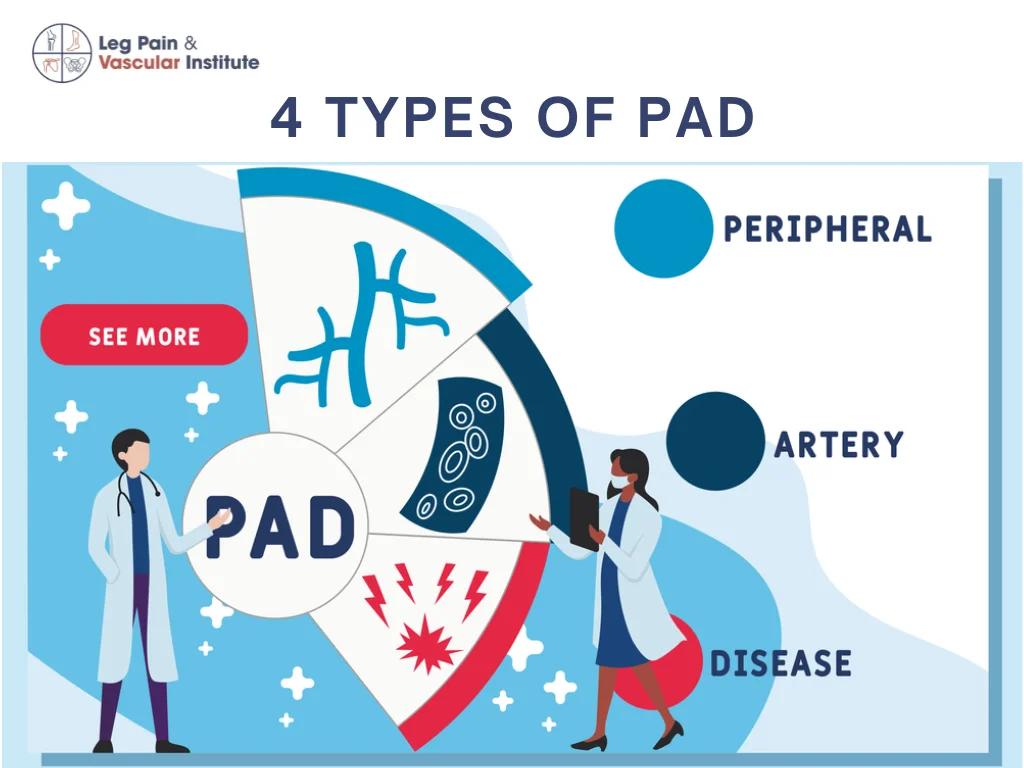
4 Types of Peripheral Arterial Disease
1. Asymptomatic Peripheral Arterial Disease
Asymptomatic peripheral arterial disease (PAD) occurs when the arteries supplying blood to the legs become narrowed or partially blocked, yet the patient does not experience obvious symptoms such as pain or cramping. Although blood flow is reduced, the body is often able to compensate during routine, low-intensity activities, allowing the condition to progress quietly. Many individuals with asymptomatic PAD remain unaware of the problem until it is discovered during a vascular exam or after the disease has advanced.
This form of PAD is especially common in patients with type 2 diabetes mellitus. Diabetes can damage nerves in the legs and feet (a condition known as neuropathy), which may blunt or completely mask pain signals. As a result, patients may not feel the typical warning signs of reduced circulation, even when blood flow is significantly impaired. Over time, this lack of sensation can allow PAD to worsen without detection.
Despite the absence of symptoms, asymptomatic PAD is not harmless. It is closely linked to an increased risk of heart attack, stroke, and progression to more severe forms of peripheral arterial disease, including intermittent claudication or critical limb ischemia. Because there are no clear warning signs, routine vascular screening is especially important for individuals with diabetes, high blood pressure, high cholesterol, a history of smoking, or other cardiovascular risk factors. Early detection allows for timely intervention and helps prevent serious, potentially life-threatening complications.
2. Intermittent Claudication
Intermittent claudication is the most commonly recognized and diagnosed form of peripheral arterial disease. It typically causes pain, cramping, tightness, or a heavy, tired feeling in the legs, most often affecting the calves, but it can also involve the thighs, hips, or buttocks. These symptoms usually appear during walking, climbing stairs, or other physical activities and improve after a short period of rest. Once activity is resumed, the discomfort often returns in a predictable pattern.
This type of PAD develops when narrowed or hardened arteries are unable to deliver enough oxygen-rich blood to the leg muscles during movement. While resting, the muscles’ oxygen demand is low, but physical activity increases that demand. When blood flow cannot keep up, pain and fatigue occur. Over time, intermittent claudication may worsen, causing symptoms to appear after shorter walking distances or with less activity, significantly limiting mobility and independence.
In people with diabetes, intermittent claudication may be less obvious or feel different than typical muscle pain. Nerve damage related to diabetes can dull pain sensations, leading some individuals to underestimate the severity of their circulation problems. Both type 1 and type 2 diabetes increase the risk of developing PAD due to long-term blood vessel damage caused by elevated blood sugar levels. So yes, you can get peripheral artery disease from type 1 diabetes, particularly when blood sugar has been poorly controlled over many years. Early recognition and treatment of claudication are essential to prevent progression to more severe forms of peripheral arterial disease.
3. Critical Limb Ischemia (CLI)
Critical limb ischemia (CLI) is a severe and advanced form of peripheral arterial disease that develops when blood flow to the legs or feet becomes critically low. At this stage, circulation is no longer sufficient to meet the body’s basic needs, even while resting. Unlike earlier forms of PAD, pain and tissue damage in CLI are persistent and signal a serious threat to limb health.
Patients with critical limb ischemia may experience:
- Constant foot or toe pain, often described as deep, aching, or burning
- Pain that worsens at night, especially when lying down with the legs elevated
- Non-healing wounds or ulcers on the feet or toes
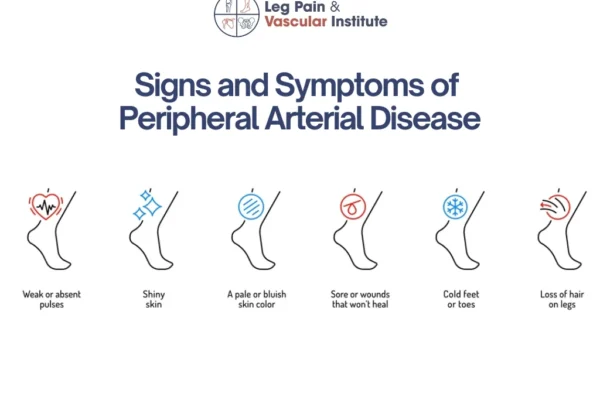
- Skin discoloration, thinning, or tissue damage, which may progress to open sores or gangrene
CLI is particularly dangerous in peripheral arterial disease in patients with type 2 diabetes mellitus. Diabetes impairs wound healing, weakens immune response, and increases the risk of infection. Even small cuts, blisters, or pressure points can quickly develop into serious ulcers when blood flow is poor. Because nerve damage may reduce pain sensation, some patients may not realize the severity of the problem until significant tissue damage has occurred.
Without prompt and appropriate treatment, critical limb ischemia can lead to severe infection, tissue death, and a significantly increased risk of amputation. Early diagnosis and timely vascular intervention are crucial to restore blood flow, promote healing, and preserve limb function. With expert care, many patients can avoid complications and improve both mobility and quality of life.
4. Acute Limb Ischemia
Acute limb ischemia (ALI) is a sudden and severe interruption of blood flow to a leg or foot, most often caused by a blood clot that completely blocks an artery. Unlike other forms of peripheral arterial disease, which develop gradually over months or years, acute limb ischemia appears abruptly and is considered a true medical emergency. Immediate recognition and treatment are critical to prevent permanent tissue damage or loss of the limb.
Symptoms of acute limb ischemia typically appear suddenly and may include:
- Severe, sudden pain in the affected leg or foot
- Coldness or paleness of the skin compared to the other limb
- Entumecimiento u hormigueo due to nerve involvement
- Weakness or inability to move the limb
- Loss of pulse in the foot or lower leg
People with pre-existing peripheral arterial disease, heart rhythm disorders (such as atrial fibrillation), or advanced diabetes are at higher risk, as these conditions increase the likelihood of clot formation or sudden blockage.
Because tissue can begin to die within hours of reduced blood flow, rapid diagnosis and urgent intervention, such as clot removal, medications to dissolve the clot, or minimally invasive procedures to restore circulation, are essential. Prompt treatment not only saves the limb but also reduces the risk of serious complications, including infection, gangrene, and long-term disability.
How Leg Pain and Vascular Institute Can Help
En Instituto de Dolor de Pierna y Vascular, we specialize in diagnosing and treating all types of peripheral arterial disease using advanced, minimally invasive techniques. Our experienced vascular specialists provide personalized care for patients in Houston and Baytown, Texas, with a strong focus on early detection and long-term circulation health.
We help patients by offering:
- Comprehensive vascular evaluations and advanced diagnostic testing
- Specialized care for PAD in patients with diabetes
- Medication management to improve circulation and reduce risk
- Minimally invasive procedures such as angioplasty and stenting
- Ongoing follow-up to prevent disease progression and complications
Whether PAD is mild, advanced, or suddenly severe, our goal is to restore blood flow, relieve leg pain, and protect your mobility and quality of life.
Take the Next Step Toward Better Circulation
Peripheral arterial disease can take many forms, but early diagnosis makes a powerful difference. If you have diabetes, leg pain, slow-healing wounds, or changes in your feet or legs, don’t wait for symptoms to worsen.
Schedule a consultation with Leg Pain and Vascular Institute today to receive expert vascular care and take control of your leg and cardiovascular health.
Preguntas Frecuentes
Can peripheral artery disease be asymptomatic?
Yes, peripheral artery disease can be asymptomatic, especially in its early stages. Many people have reduced blood flow to the legs without noticeable pain or discomfort. This is particularly common in individuals with diabetes, where nerve damage can mask symptoms. Even without symptoms, asymptomatic PAD still increases the risk of heart attack, stroke, and progression to more severe disease, which is why early screening is important.
Can you get peripheral artery disease from type 1 diabetes?
Yes, people with type 1 diabetes can develop peripheral artery disease. Long-term high blood sugar levels can damage blood vessels and accelerate plaque buildup in the arteries. While PAD is more common in type 2 diabetes, individuals with type 1 diabetes, especially those with long-standing disease or poor glucose control, are also at increased risk.
Can intermittent claudication be cured?
Intermittent claudication cannot always be “cured,” but it can often be effectively treated and managed. Lifestyle changes, medications, supervised exercise, and minimally invasive vascular procedures can significantly improve blood flow and reduce or eliminate symptoms. Early treatment helps prevent progression to more severe forms of PAD.
What is the most common cause of intermittent claudication?
The most common cause of intermittent claudication is atherosclerosis, a condition in which fatty plaque builds up inside the arteries and restricts blood flow to the leg muscles during activity. Risk factors include smoking, diabetes, high blood pressure, and high cholesterol.
What is the most common cause of peripheral limb ischemia?
The most common cause of peripheral limb ischemia is severe narrowing or blockage of the arteries due to atherosclerosis. In acute cases, a sudden blood clot may block blood flow, often in people who already have underlying peripheral arterial disease.
What is the life expectancy of someone with ischemia?
Life expectancy varies depending on the severity of ischemia, overall health, and how early the condition is treated. Peripheral limb ischemia is often associated with cardiovascular disease, which increases the risk of heart attack and stroke. With early diagnosis, proper treatment, and risk-factor management, many patients can significantly improve outcomes and quality of life.
How do you treat acute limb ischemia?
Acute limb ischemia is a medical emergency and requires immediate treatment to restore blood flow. Treatment may include medications to dissolve or prevent blood clots, minimally invasive procedures to remove blockages, or urgent vascular intervention. Prompt care is critical to prevent permanent tissue damage or limb loss.
Why Choose Leg Pain and Vascular Institute?
Leg Pain and Vascular Institute is dedicated to providing expert, patient-centered care for individuals dealing with peripheral arterial disease and other circulation-related conditions. Our team focuses on accurate diagnosis, early intervention, and personalized treatment plans designed to relieve leg pain, improve blood flow, and prevent serious complications. With advanced technology and minimally invasive treatment options, we help patients return to an active and healthier lifestyle.
Specialized Vascular Care in Houston and Baytown?
Serving patients across Houston and Baytown, Texas, Leg Pain and Vascular Institute offers comprehensive vascular care in a comfortable, outpatient setting. We specialize in treating all stages of peripheral arterial disease, including PAD in patients with diabetes. From advanced diagnostic testing to long-term follow-up care, our goal is to protect your circulation, preserve mobility, and support your overall vascular health every step of the way.
Esta información no es un diagnóstico médico. Una consulta con el Dr. Anwer confirmará sus opciones de tratamiento. Los resultados individuales pueden variar.