
Leg Pain Relief for Texas Educators
Stanford-trained Dr. Anwer treats the conditions caused by years in the classroom. No surgery. No hospital stay. Back to school feeling like yourself.
The classroom takes a toll
Teaching is one of the most physically demanding professions for your legs and joints. Research shows educators face significantly higher rates of vein and musculoskeletal conditions compared to the general population.
7+ hours of standing daily
Teachers stand well over the 4-hour threshold that occupational health research links to increased risk for varicose veins and chronic venous disease. Year after year, this sustained pressure weakens vein valves and allows blood to pool.
Hard floors, no cushioning
Classrooms rarely have anti-fatigue matting. Linoleum and concrete transmit every step directly into your feet, heels, and knees. Over time, this contributes to plantar fasciitis, joint loading, and chronic discomfort.
Cumulative over a career
These aren't sudden injuries. They build gradually over 10, 15, 20+ years of teaching. What starts as tired legs becomes aching veins, stiff knees, or painful heels. By the time symptoms are hard to ignore, the condition is often well-established.
Your TRS-ActiveCare plan
covers this

TRS-ActiveCare is administered by BCBSTX.
LPVI is an in-network provider.
Conditions common among educators
All treatments are minimally invasive, performed as outpatient procedures, and designed for same-day recovery.
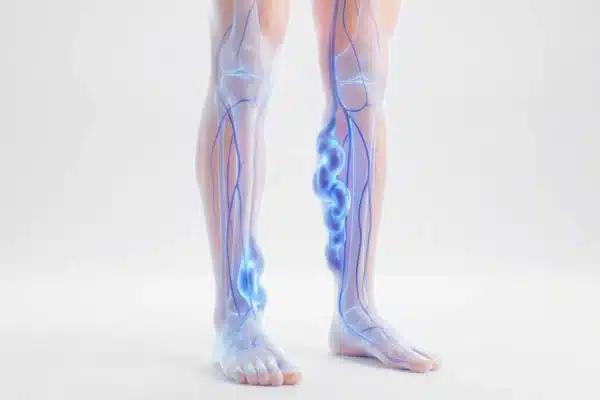
Varicose Veins & Venous Disease
Visible, bulging veins with aching, heaviness, or swelling in the legs. The most common vascular condition among teachers due to prolonged standing — research shows nearly 1 in 5 educators are affected.
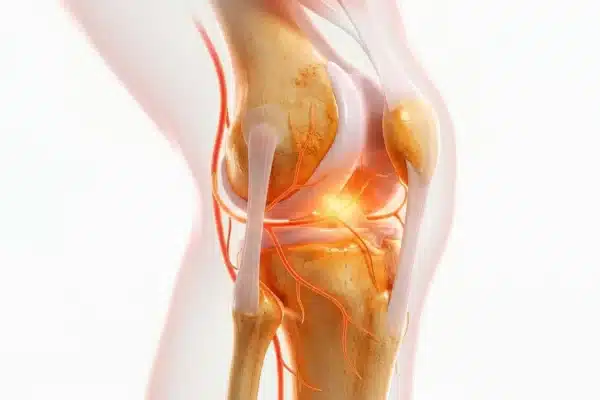
Knee Arthritis (GAE)
Chronic knee pain, stiffness, or grinding from years of classroom walking and stair use. Genicular artery embolization reduces inflammation and restores movement without joint replacement.
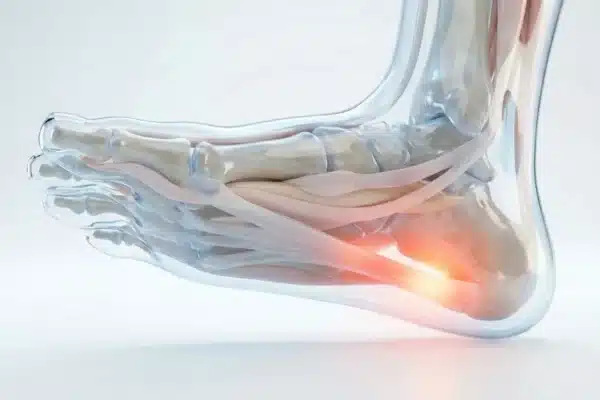
Plantar Fasciitis
Heel and arch pain, worst in the morning or after periods of rest. Educators who stand on hard floors daily have a 3.6× higher incidence than sedentary workers.
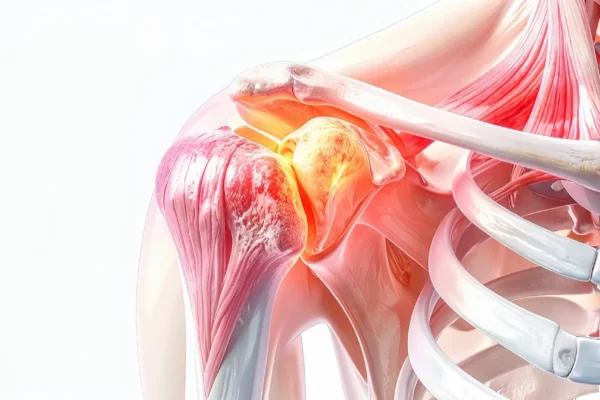
Shoulder Pain & Frozen Shoulder
Persistent shoulder pain, stiffness, or limited movement from years of overhead reaching and board work. Image-guided embolization reduces chronic inflammation without surgery.
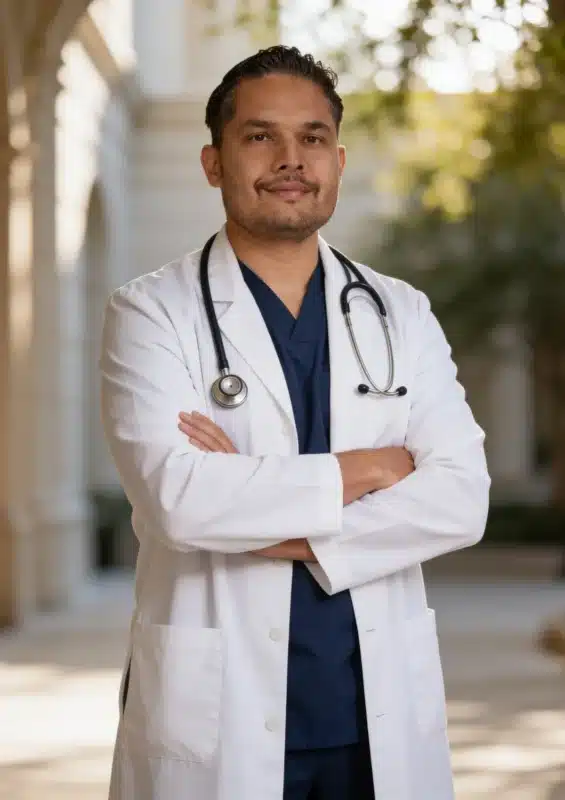
Dr. Bilal Anwer
Vascular & Interventional Radiologist
Dr. Anwer completed his Fellowship in Vascular and Interventional Radiology at Stanford Medicine and is dual board-certified in both Diagnostic and Interventional Radiology. With over a decade of experience in Houston, he specializes in minimally invasive, image-guided procedures that give patients lasting relief without major surgery, hospital stays, or long recoveries.


Frequently asked questions
Yes. TRS-ActiveCare is administered by Blue Cross and Blue Shield of Texas (BCBSTX), and Leg Pain and Vascular Institute is an in-network provider. Most minimally invasive varicose vein treatments are covered when medically necessary, meaning the condition causes symptoms such as pain, swelling, heaviness, or skin changes. Our team verifies your specific coverage and handles prior authorization before your appointment so there are no surprises.
For most TRS-ActiveCare plans, no. Starting with the 2025–26 plan year, TRS-ActiveCare Primary and Primary+ participants no longer require a referral to visit most specialists, including vascular and interventional radiology. If your specific plan still requires a referral, our team will guide you through that process before your visit. You can call us directly to schedule.
Yes. Genicular Artery Embolization (GAE) is a minimally invasive procedure that reduces chronic knee pain caused by osteoarthritis without joint replacement surgery. Dr. Anwer performs GAE as an outpatient procedure using image guidance through a tiny pinhole incision. There is no general anesthesia, no hospital admission, and most patients return to normal activity within 24 to 48 hours.
Teaching involves standing for 7 or more hours per day on hard classroom floors, well above the 4-hour threshold that occupational health research links to increased venous disease risk. Over years of teaching, this sustained pressure weakens vein valves and allows blood to pool in the legs, causing visible veins, aching, heaviness, and swelling. The alternating pattern of prolonged standing during instruction and prolonged sitting during grading further reduces calf-muscle pump activity, compounding the risk.
Most patients treated at Leg Pain and Vascular Institute return to light activity the same day or the following morning. Procedures such as varicose vein treatment, GAE for knee arthritis, plantar fascia embolization, and shoulder embolization are all outpatient with a typical recovery of 24 to 48 hours. This makes summer break an ideal time for educators to schedule treatment and return to the classroom fully recovered.
Dr. Anwer treats several conditions that are particularly common in people whose work involves prolonged standing or repetitive physical demands: varicose veins and venous disease, knee arthritis (treated with GAE), plantar fasciitis, and frozen shoulder. All treatments are minimally invasive, performed as outpatient procedures at our two Houston-area clinic locations on FM 1960 in Cy-Fair and Gulf Freeway close to Webster
Make this the summer you take care of yourself
Speak directly with Dr. Anwer's team. Summer appointments are available now at both Houston locations.